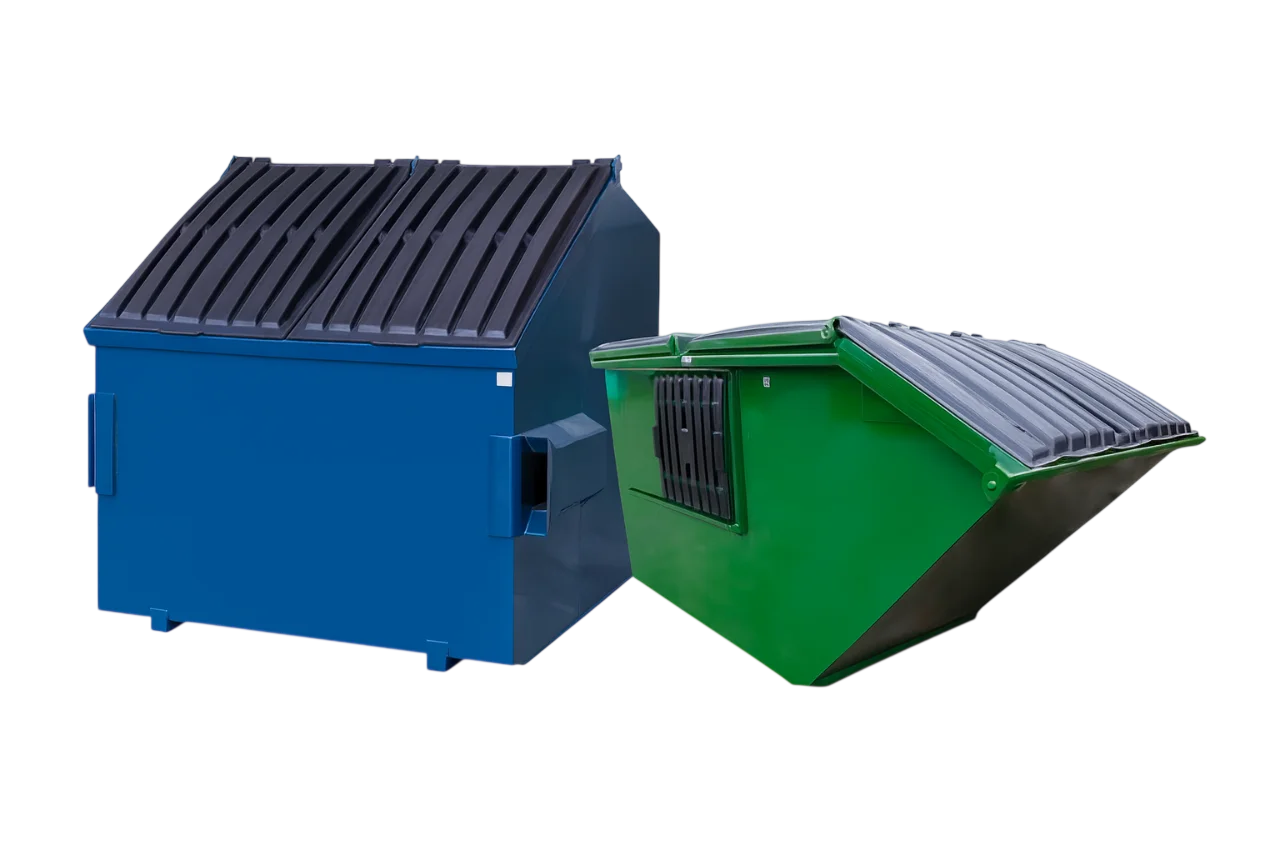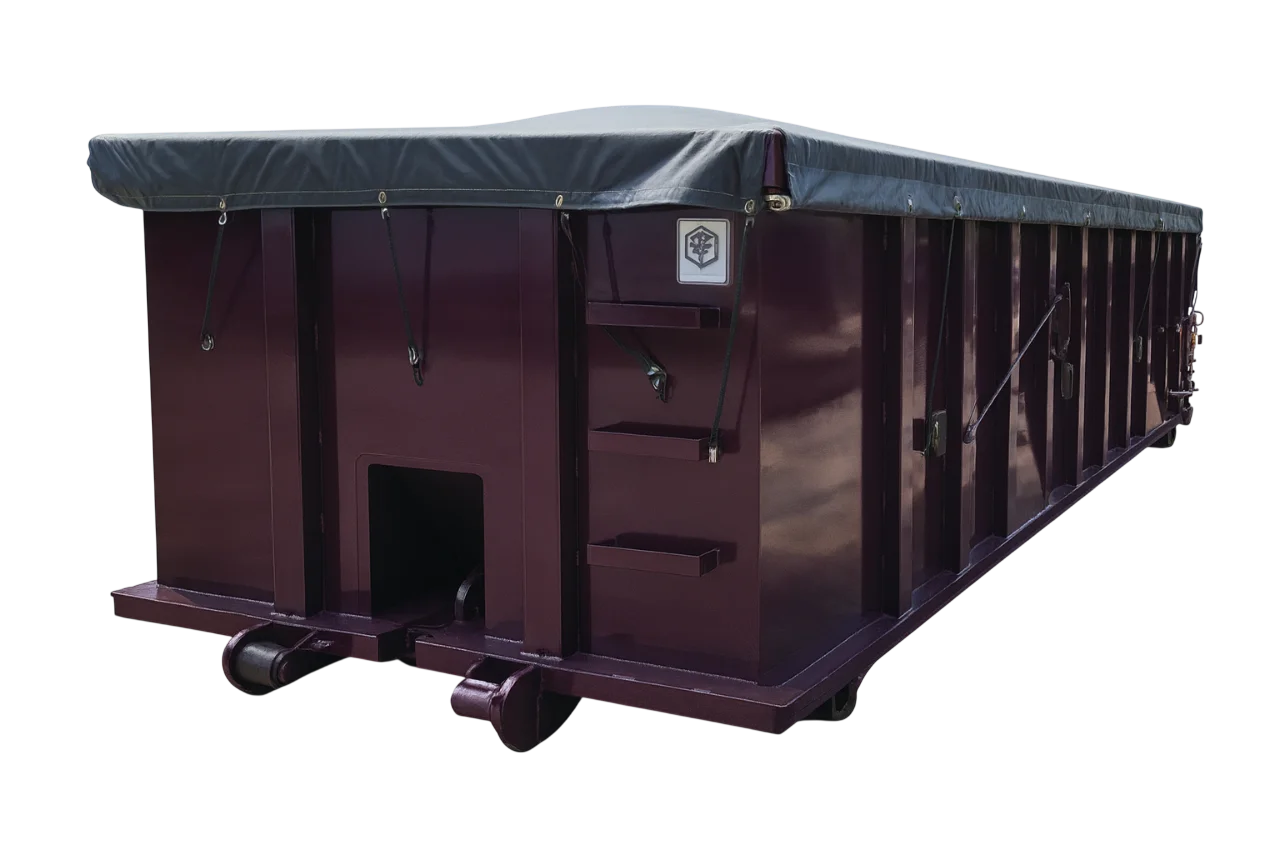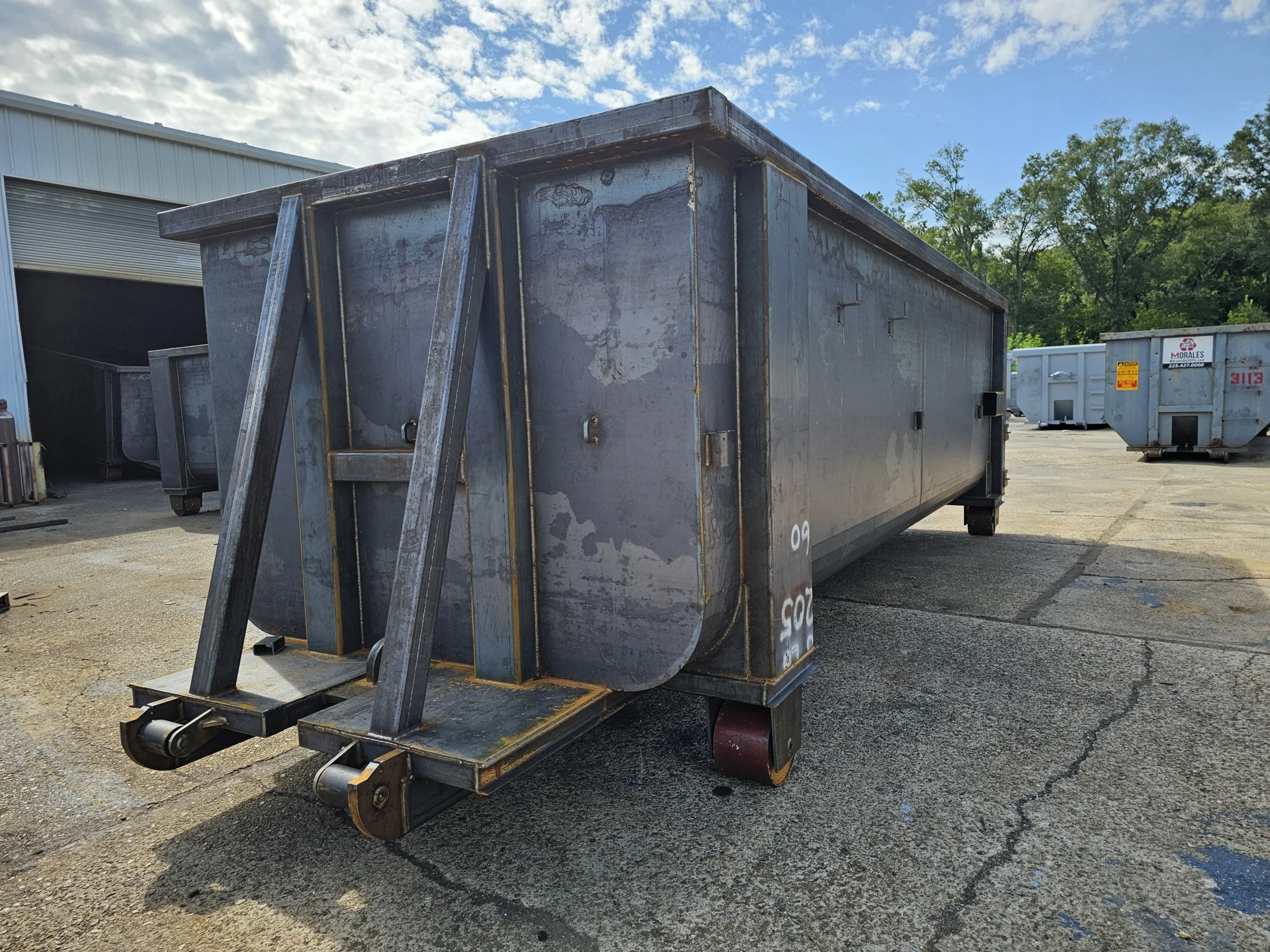
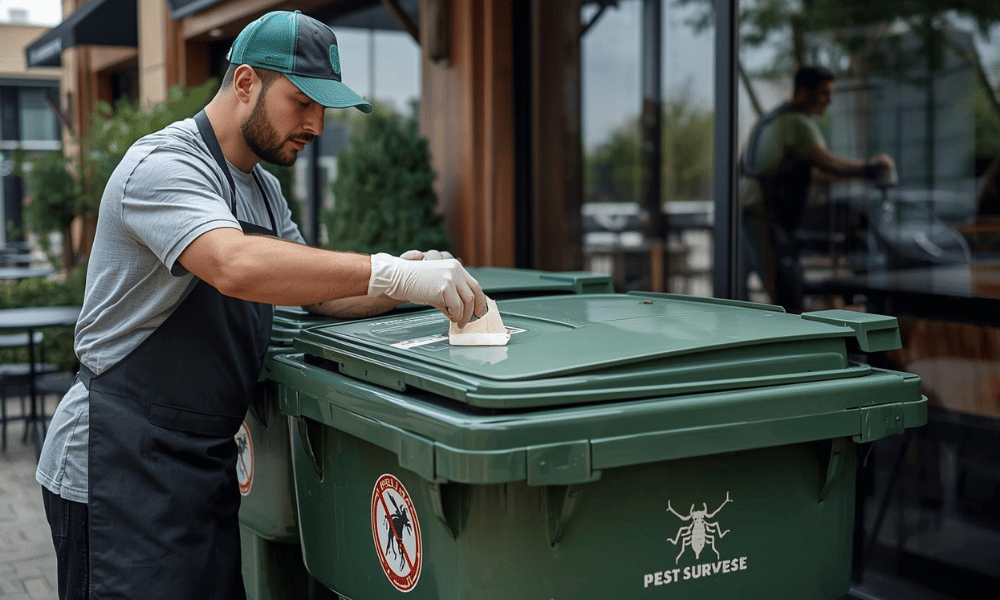
Food workers can keep pests out of outdoor dumpsters by controlling waste and the environment around the dumpster. In practice, this means keeping the dumpster area very clean, sealing all trash in strong bags, closing and locking lids, and placing dumpsters on solid ground far from the building. Regularly emptying and rinsing the bins also helps eliminate food odors that attract pests. For example, DC Health advises using dumpsters with “tight-fitting lids” kept closed and placing them on pavement away from walls to block rodents. Following these habits – clean surroundings, secured trash, and smart placement – makes dumpsters unattractive to rats, raccoons, flies and other vermin.
Keep the Area Clean and Sanitary
Food scraps and spills are like a beacon to pests. Sweep up spilled food or grease around the dumpster every day, and hose down the dumpster itself weekly (or more) with soap or a mild bleach solution. EPA guidelines stress that sanitation is the single most important factor in pest control: a regularly washed dumpster and clear ground prevent odors and hiding spots. Dumpsters (inside and out) should be pressure-washed or scrubbed on a schedule to remove any residue. Also clear debris under the bin and in nearby corners; DC Health advises cleaning under and around dumpsters daily to stop rodents from scavenging. Pests are much less likely to stick around an area that’s spotless.
Never let garbage overflow. Keep trash bags completely inside the bin and empty the dumpster frequently so it doesn’t become overloaded. A loose pile of garbage or an overflowing dumpster is a buffet for pests (and a health code violation). Arrange regular pickups (at least once a week or more, depending on waste volume) so garbage never stays too long. After each emptying, inspect the bin and surrounding area for food bits or holes. Act quickly if you spot droppings, chewed bags, or nests: early cleanup stops infestations before they grow.
Seal, Secure and Contain
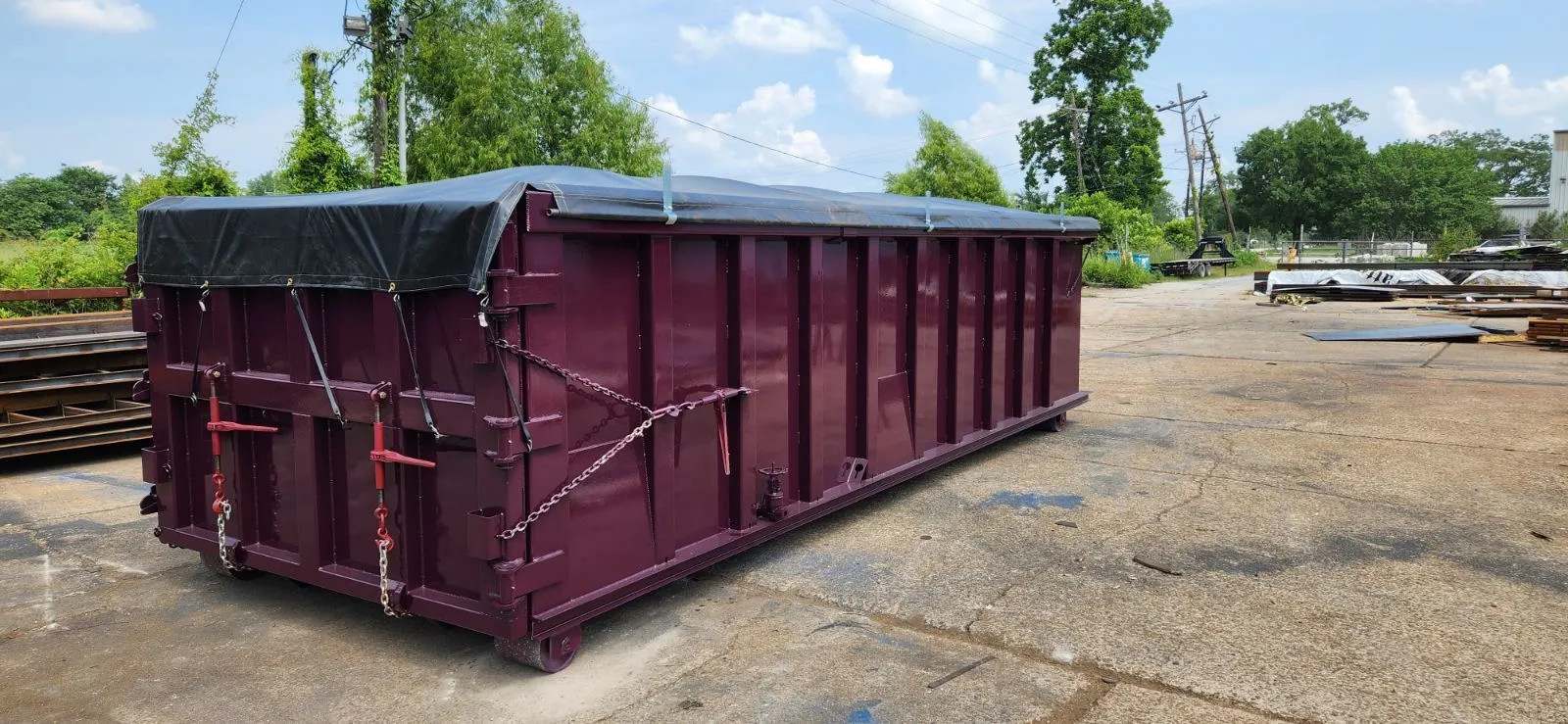
All garbage should go into strong, well-tied plastic bags or liners. Even a pinhole leak can drip food juices that attract ants and flies. Once bagged, always close the lid tightly. Use dumpsters with lockable, heavy-duty lids if possible. Many experts note that crafty raccoons and opossums can flip open flimsy lids, so adding a padlock or latch (or even a heavy bungee cord) is wise. Inspect lids and seams for gaps or cracks – even a quarter-inch gap can let in mice. One guide recommends using weatherstripping or mesh to seal any openings larger than ¼ inch. In short: a locked, sealed dumpster denies pests easy entry.
Lockable lids are essential. Whether it’s an animal-proof lid or simply a secure latch, keeping the bin covered blocks many pests from reaching the trash. (Pro tip: hang a chain and lock on the lid. Rats can climb short cables, so keep the chain off the ground.) Inside, make sure recyclables or compost are in separate bins so pests aren’t drawn to multiple food sources in one spot. And remember to use trash bags without holes – high-quality, tear-resistant bags are worth it.
Choose the Right Location and Barriers
Placement matters. Always set dumpsters on a paved or concrete pad (not dirt or grass). Hard surfaces make leaks and crumbs obvious (so they can be cleaned up quickly) and discourage rodents from burrowing underneath. Keep the dumpster at least 15–50 feet away from buildings. The further the bin is from entryways, the less chance pests have to invade the building when they come for trash. Also avoid tucking dumpsters against walls or under foliage: pests love the cover of a hedge or vines on a wall. In fact, EPA guidelines say vegetation (shrubs, mulch, etc.) should be trimmed so it stays at least one foot from any structure. Clear an 18-inch radius around each dumpster (the FDA’s “18-inch rule”) so nothing can hide under or next to it. If your dumpster area is near woods or shrubbery, consider adding a simple fence or barrier around it. Even motion-activated lights can scare off night-time scavengers.
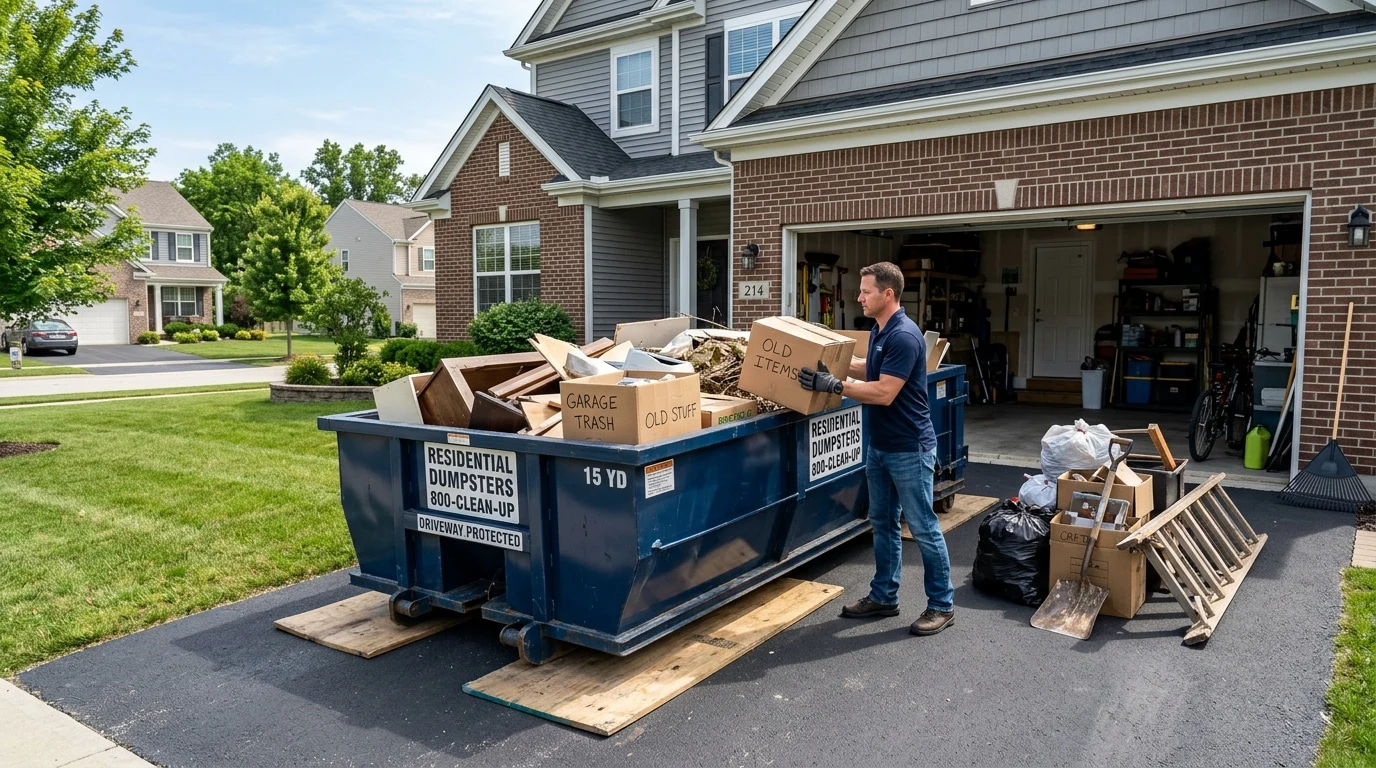
Solid ground and space help. Paving the dumpster area and giving it a clear perimeter make maintenance easier and pests easier to spot. (This unsplash image shows a dumpster on a concrete pad away from brush.) As DC Health points out, placing dumpsters away from walls and on pavement “prevents trash from overflowing onto the ground” and stops rodents from burrowing in soil.

Inspect and Maintain Regularly
Food workers should inspect dumpsters every day. During each shift or at closing time, check under and inside the dumpster for any chewed holes, droppings, nests, or food scraps on the ground. Fix minor damage right away (patch holes, replace torn liners). Keep a tight schedule: emptying only once a week can still allow enough time for pests to breed. Many health guidelines actually suggest daily servicing (especially in warm or busy seasons) so garbage never sits overnight. If you notice signs like live rats, raccoons, or swarms of flies, act quickly. Some food service sites recommend a formal pest monitoring program – for example, placing bait traps around the area and checking them frequently.
When an infestation is suspected, don’t wait. Call a licensed pest control professional to evaluate and treat the problem. A good pest pro can pinpoint how pests are getting in and recommend fixes (perhaps additional sealing or different traps). For instance, inspectors advise contacting a pest control service if you see “gnaw marks on dumpster frames or lids” or find evidence of rodent droppings. Integrated Pest Management (IPM) experts emphasize that prevention – not just pesticides – is the key, so these actions (cleaning, sealing, relocation) should always come first.
Train Your Team
Preventing pests is everyone’s job. Teach all food staff the proper dump procedures: tie bags tightly, don’t leave waste in prep areas, and report any spills or pests immediately. Assign a specific person or shift to check and clear the dumpster area each day. The TrashRite guide stresses that training employees on waste rules and cleanliness is crucial. Make pest awareness part of closing checklists – for example, “Dumpster checked and lid locked” – so it never gets overlooked. Well-trained workers act fast on problems, turning what could be an infestation into a short-term annoyance.
Natural Deterrents and Extras
Besides these basics, some workers use harmless “home remedies” as extra precautions. Many pests hate strong odors like peppermint, spearmint, or castor oil. Spritzing a diluted peppermint oil solution around the dumpster edges can help deter rodents and ants. Even a shallow dish of ammonia (hidden out of reach of children and animals) can keep some critters at bay. Remember, however, that these methods only supplement good sanitation; they won’t solve a messy, overflowing dumpster.
Finally, keep the landscape managed: trim back tall grass, weeds or tree limbs that overhang the dumpster. Overgrown plants give pests places to hide and jump from. EPA IPM guidelines specifically say to maintain vegetation at least 12 inches from buildings and to keep trees trimmed back several feet. A tidy, open space is less appealing to rats, mice, and stray wildlife.
By combining these practices – clean grounds, sealed trash, smart placement, and vigilant maintenance – food workers create an environment where pests simply can’t thrive. In short, make your dumpster area as unattractive to pests as possible, and they’ll look for food elsewhere.
FAQs
Why is dumpster cleanliness so important?
Dirty dumpster areas attract pests by giving them food and water. Even small crumbs or a sticky spill can lure rats, roaches and flies. Keeping the bin and surroundings clean removes those food sources. In fact, health guidelines warn that “sanitation is the single most important factor for rodent control”. No mess means no buffet for pests.
How often should we empty and wash the dumpster?
It depends on how much waste you generate, but generally dumpsters should be serviced at least once a week and washed regularly (some businesses do it daily). EPA recommendations say to never let trash overflow or sit overnight. Many kitchens schedule a quick rinse-out (with a cleaner or mild bleach) after emptying to remove any residue. A clean, empty dumpster is far less inviting to bugs and rodents.
Will plants or grass around the dumpster attract pests?
Yes – overgrown vegetation near dumpsters provides hiding and nesting spots for pests. Trimming grass and bushes back at least a foot from the bin removes cover and makes problems visible. EPA IPM guidelines advise keeping shrubs and mulch at least 12 inches from buildings and trimming tree branches well away from structures. In practice, a clear perimeter (often called the “18-inch rule”) around the dumpster is an easy way to see and reach any pests.
What if I already have rats or raccoons in the dumpster?
Don’t panic, but do act quickly. If you spot animals or signs like gnaw marks or droppings, increase cleaning frequency and secure all trash. Contact a pest control professional – they have safe traps and techniques to remove current pests. Afterward, double down on the prevention steps above (cleaning, sealing, distance). Remember, long-term solutions focus on making your dumpster area so hostile (to pests) that invaders won’t return.
Are there any legal or code requirements about dumpster placement and pests?
Many health departments and building codes do regulate dumpster areas. For example, some jurisdictions require a minimum distance (often 10–50 feet) between dumpsters and the building. Also, local codes may mandate a fence or enclosure, and rules against overflow. It’s wise to check your local regulations. Regardless of exact rules, following best practices (tight lids, clean surroundings, concrete pad, frequent pickups) not only keeps pests away but also keeps you compliant with most health standards.