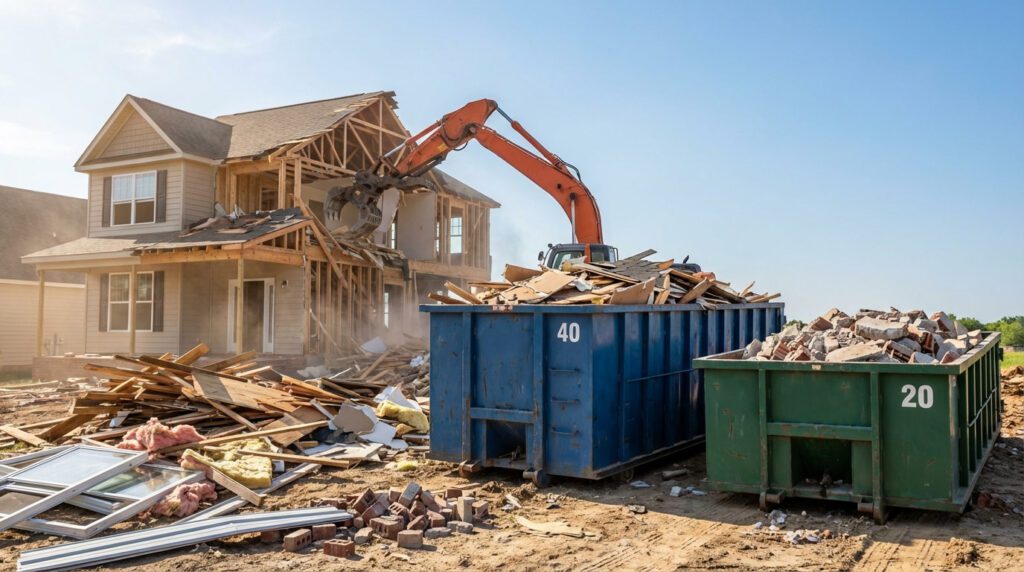
Demolishing a house creates a LOT of junk. As a rule of thumb, an average single-family home (around 1,500–2,000 sq. ft.) will fill multiple dumpsters – typically 3 to 8 large (40-yard) roll-off bins. For example, experts estimate about 120 cubic yards of debris per 1,000 sq ft of home. That means a 2,000 sq ft house could generate ~240 cu. yds of waste – roughly six 40-yard dumpsters . Heavy materials like concrete or brick add even more volume. (A 2,000 sq ft home with a concrete slab can easily yield ~25 cu. yds just from the foundation, often requiring its own dumpster.)
In short: expect at least several dumpsters for a full house teardown. Below we break down the factors to help you estimate your needs, plus tips and a handy calculator to avoid surprises.
Key Factors to Consider
Before you finalize your dumpster order, think through these points:
- House Size & Volume: Bigger house = more debris. A good rule is ~120 cu. yds per 1,000 sq ft. So a 1,000 sq ft home might need about 3 large dumpsters, and 2,000 sq ft roughly 6 dumpsters. Remember to include extra space if you have multiple stories, large attics, basements or additions – all add debris.
- Building Materials: The type of material hugely affects volume and weight. Wood, drywall, roofing shingles and light debris take up lots of space but aren’t too heavy. Concrete, brick, stone, and dirt are very heavy. Plan separate dumpsters for them if possible. For example, a standard 2,000 sq ft house might generate ~240 cu. yds of mixed debris plus ~25 cu. yds of concrete. Because concrete is so dense, many people put it in smaller 10–20 yd dumpsters to avoid weight overages.
- Project Scope: Are you tearing down the whole house or just part? Full demolitions (roof, walls, floors, etc.) produce far more junk than a partial remodel. A partial gut (like removing a kitchen or garage) might only need 1–2 dumpsters. For a full teardown, err on the high side – you can often return an extra empty dumpster later, but running out would delay work.
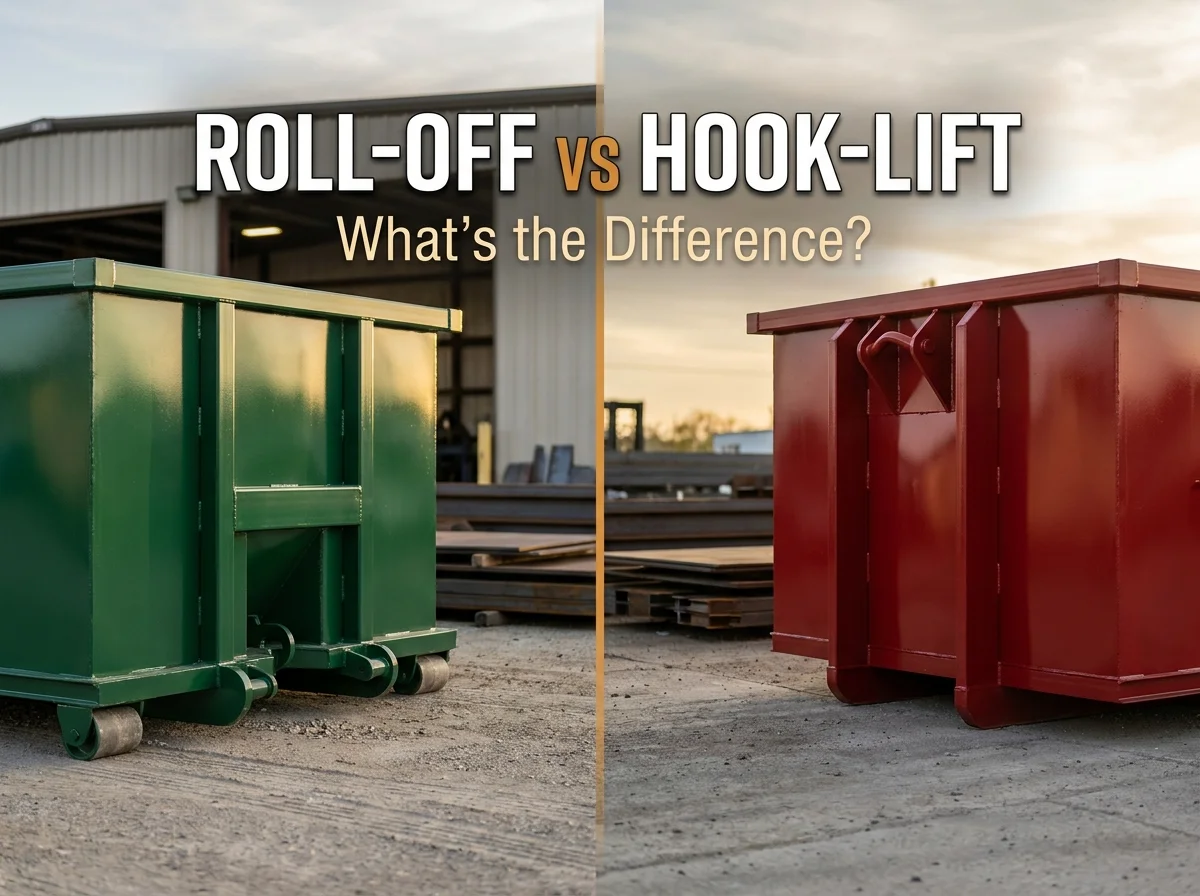
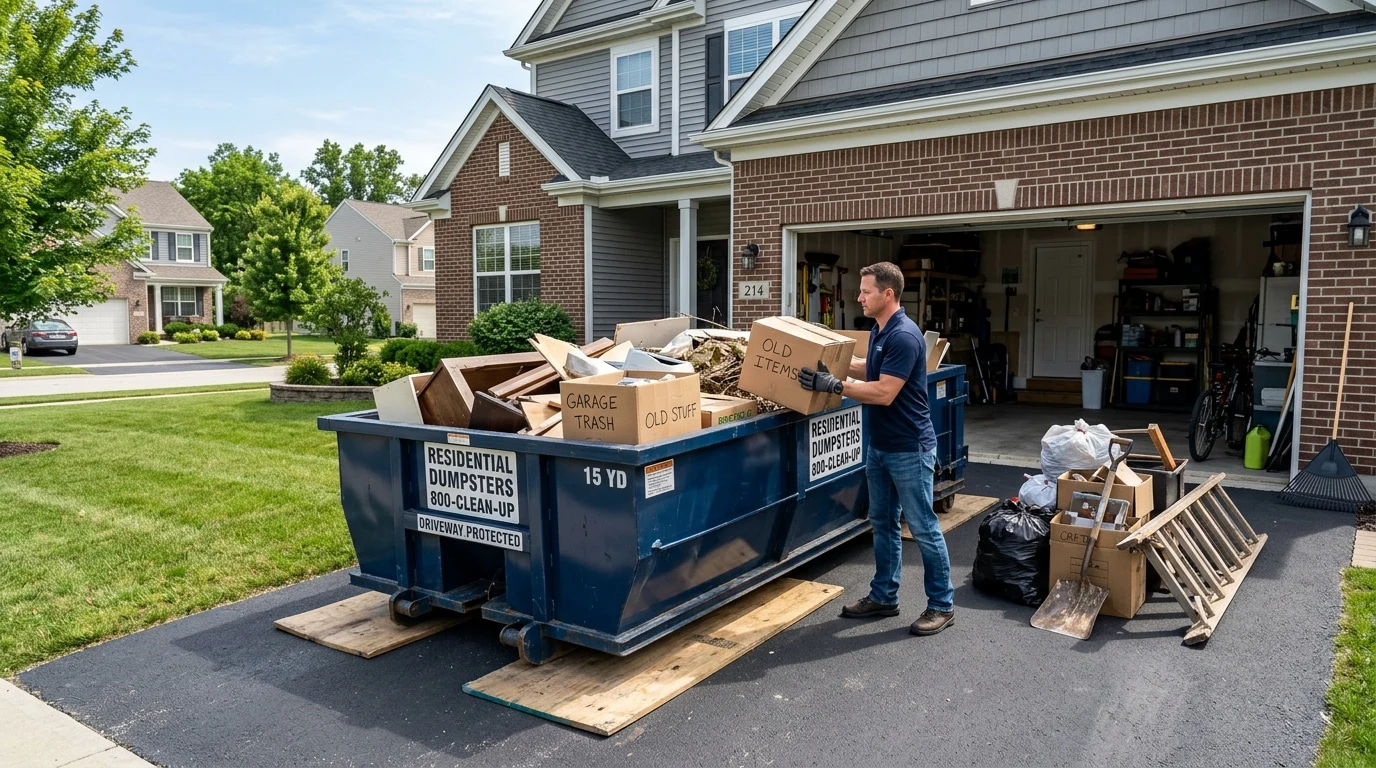
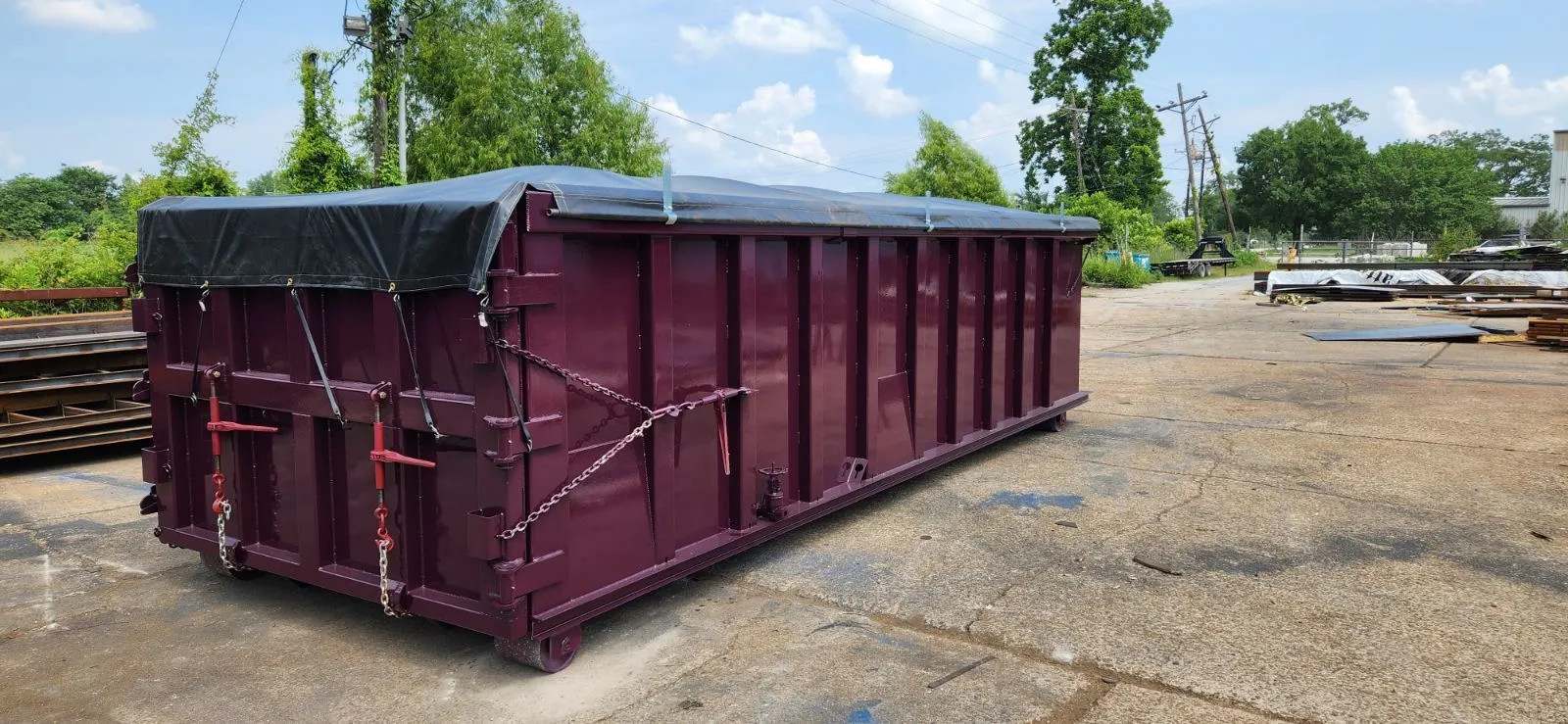
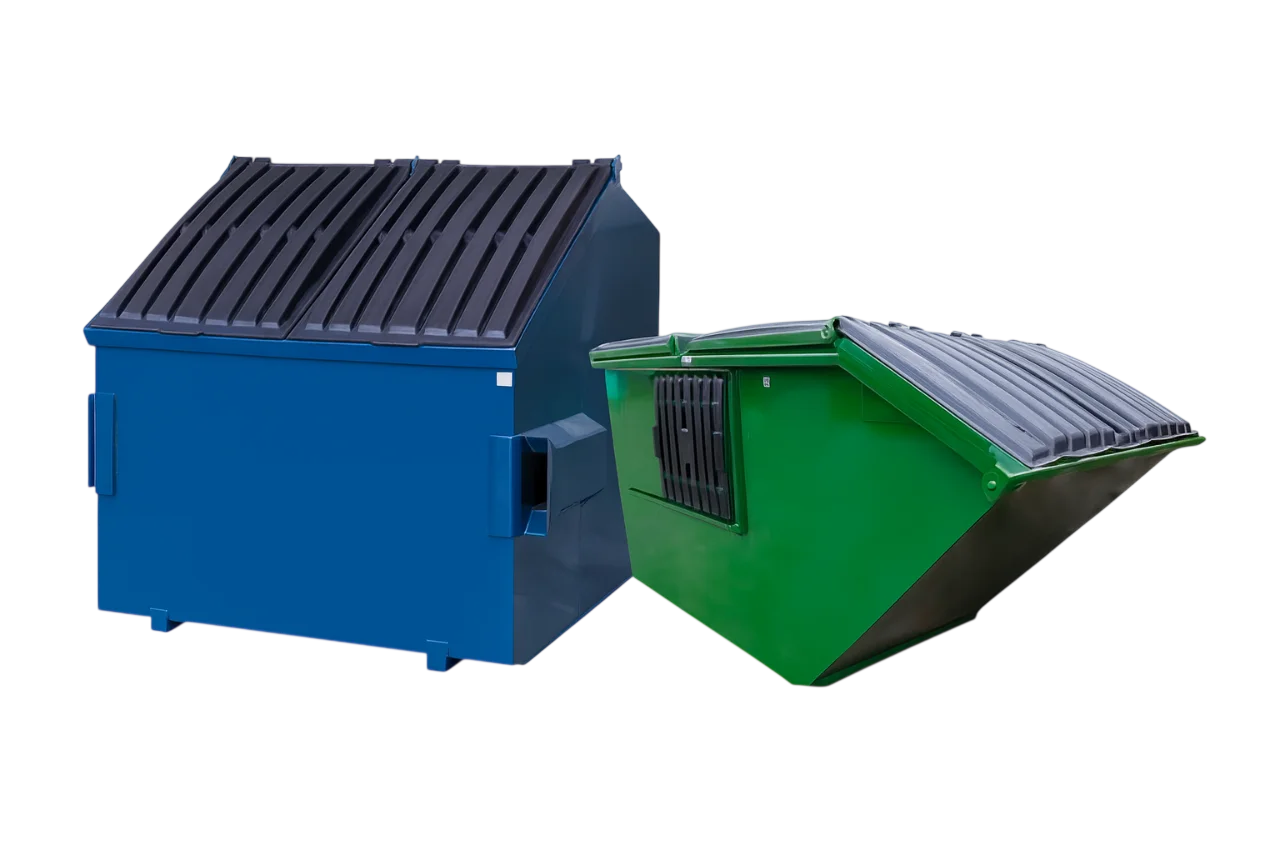
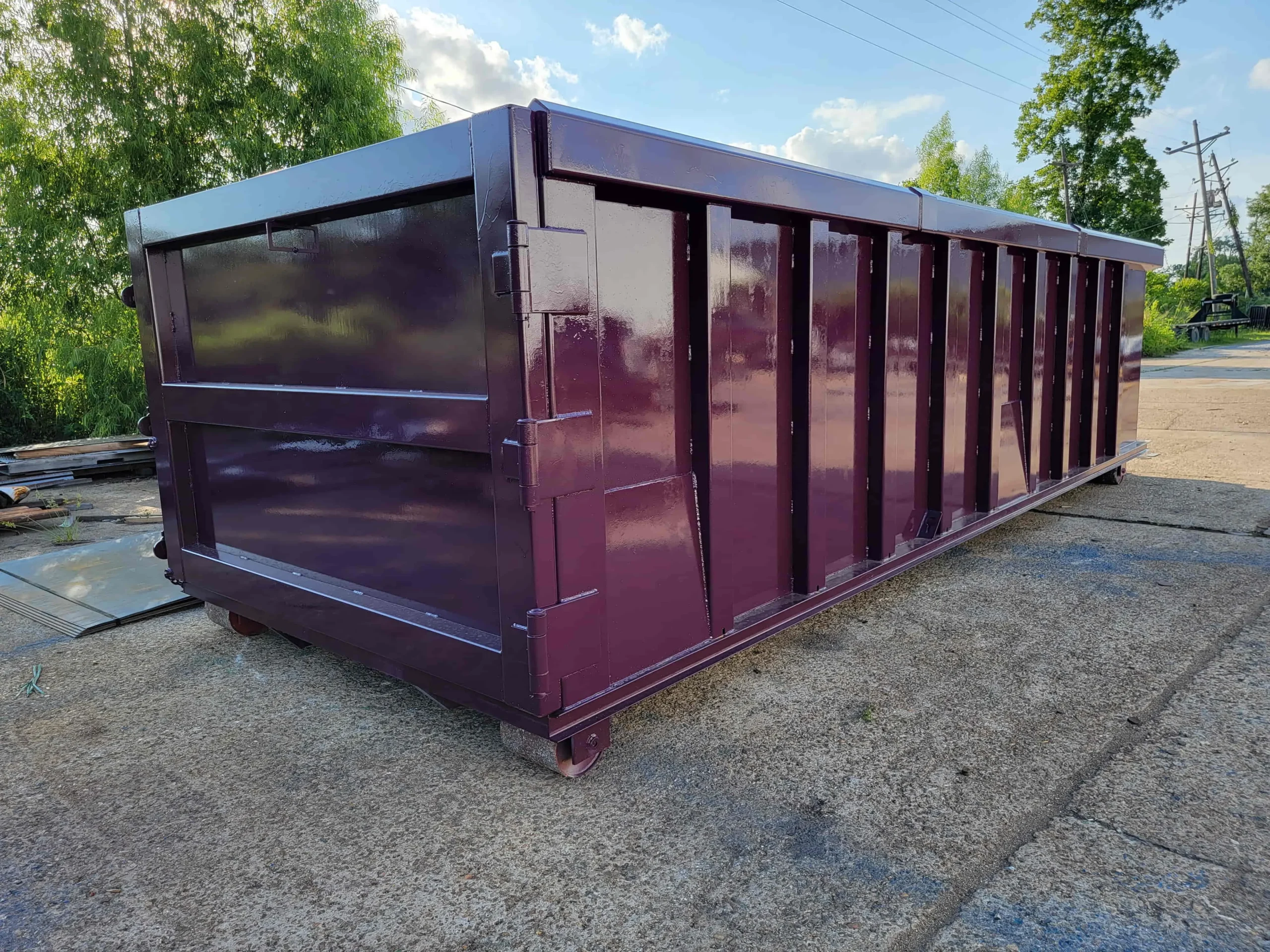
- Dumpster Sizes & Counts: Dumpsters come in many sizes (commonly 10, 20, 30, 40 cubic yards). For whole-house demo, people usually rent 20–40 yd roll-offs. Concrete, brick or dirt usually go in smaller (10–20 yd) bins because of weight limits. (A 40-yd dumpster holds 40 cu. yds, so if you estimate 200 cu. yds of waste, you’d need five 40-yd bins.) Check your local rental company’s weight restrictions – heavy material can hit the limit before volume is full.
- Estimating Debris Volume: You can eyeball it with a rough formula: multiply your house’s footprint by height and a “debris factor,” then divide by 27 (cu. ft per cu. yd). For example, a simple method is: (Length × Width × Height × 0.33) ÷ 27 = cubic yards. (The “0.33” factor accounts for air gaps in the rubble.) One guide walked through it: a 25×40 ft one-story house (1,000 sq ft, 10 ft tall) yields about 122.2 cu. yds of debris. But honestly, manual math can be tricky and varies by material – see the next section on a calculator.
- Local Permits & Placement: Some cities limit how many dumpsters you can place or require permits. Make sure you know where on your property or street the bins can go, and secure any needed permits. Also coordinate timing: rent dumpsters early so they’re on-site before demolition begins.
Pro tip: Always overestimate a little on dumpster needs. It’s better to return an unused bin than to halt demolition mid-job. You can often send back an empty dumpster at no extra cost.
Concrete, Masonry and Heavy Debris
Keep in mind that concrete and masonry can skew the numbers. A brick exterior, foundation walls, or a concrete garage slab adds dense weight. For instance, a 2,000 sq ft house with a slab foundation might have ~25 cu. yds of concrete. Because one cu. yd of concrete can weigh as much as a small car, many demolitions allocate one or more dedicated dumpsters for it (often smaller 10–20 yd bins). If your house has significant stone, brick, or dirt from excavation, plan extra dumpsters accordingly.
Using a Demolition Debris Calculator
All this math can be confusing. Our Demolition Debris Calculator makes it easy: just enter your house’s square footage and details, and it estimates debris volume and the number of dumpsters needed. (It applies similar formulas behind the scenes.) This tool helps you refine your plan in seconds so you’re not left guessing. You can embed or link the calculator right here (or use the one on our site) to get a quick, personalized estimate.
Putting It All Together
In practice, most full-house demolitions need at least 4–6 dumpsters (40-yard size) to cover general debris, and extra 10–20 yd bins for concrete/heavy loads. For example, if your calculation shows ~200 cu. yds of waste (common for a ~1,800–2,000 sq ft home), that’s five 40-yd dumpsters plus additional bins for the concrete. If your house is smaller (1000–1200 sq ft), maybe 3–4 dumpsters suffice. Remember that every house is unique: steel beams, cellars, or thick walls all add more.
Key takeaways: demolishing a house is a major job that generates hundreds of cubic yards of junk. Start by estimating volume based on square footage and materials. Use 40-yd dumpsters as your baseline, but reserve separate bins for heavy debris. When in doubt, plan extra dumpsters – you can usually send one back empty. And don’t hesitate to consult professionals or use online calculators to double-check your numbers.
By accounting for all these factors – house size, materials, project scope and dumpster sizes – you’ll be prepared with the right number of dumpsters and keep your demolition project on track and on budget.