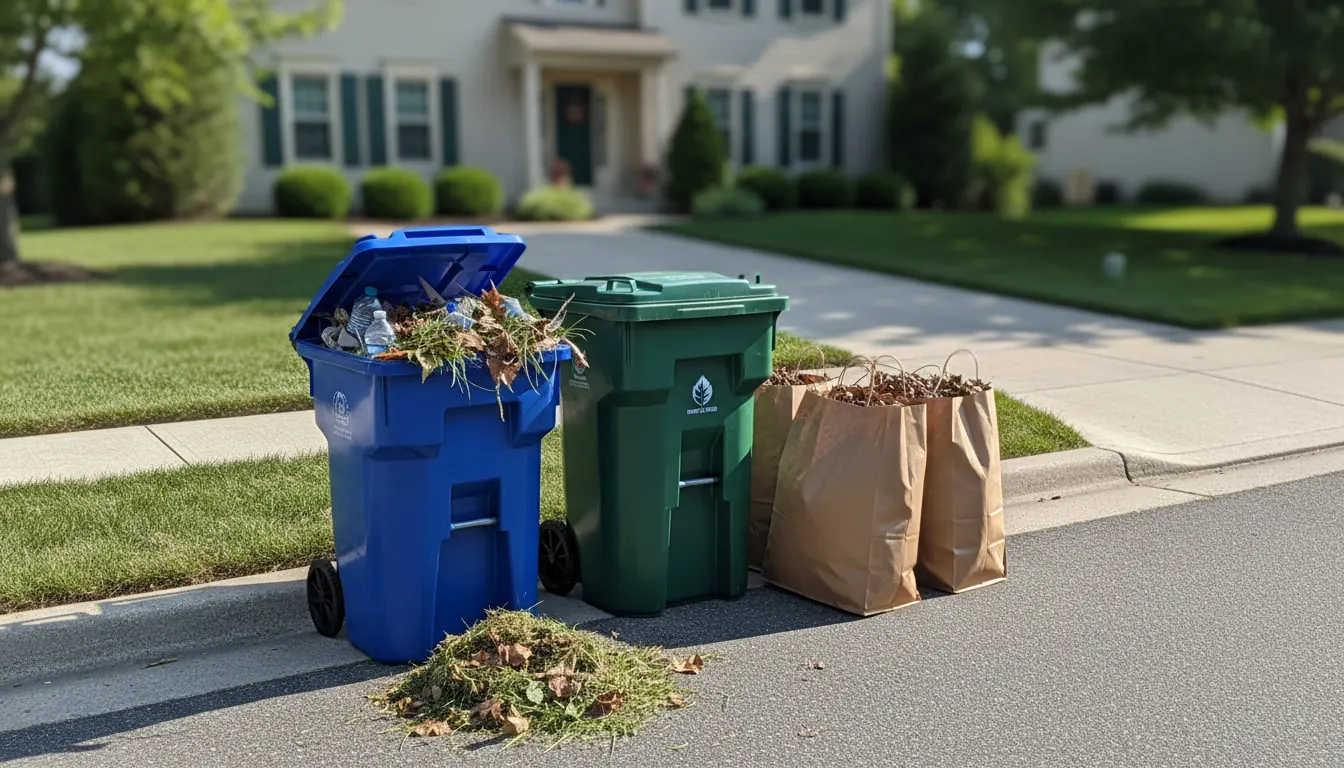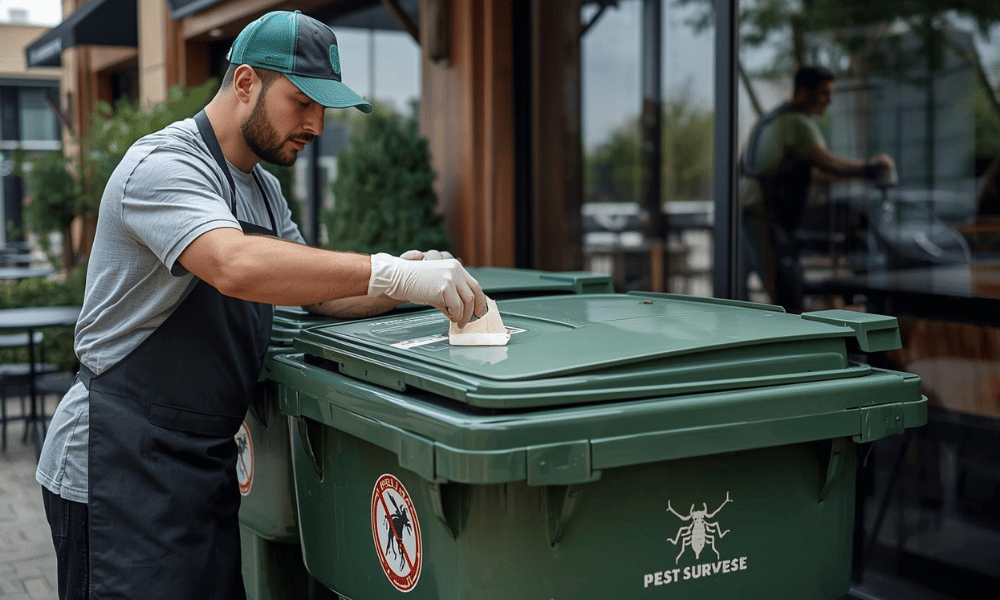
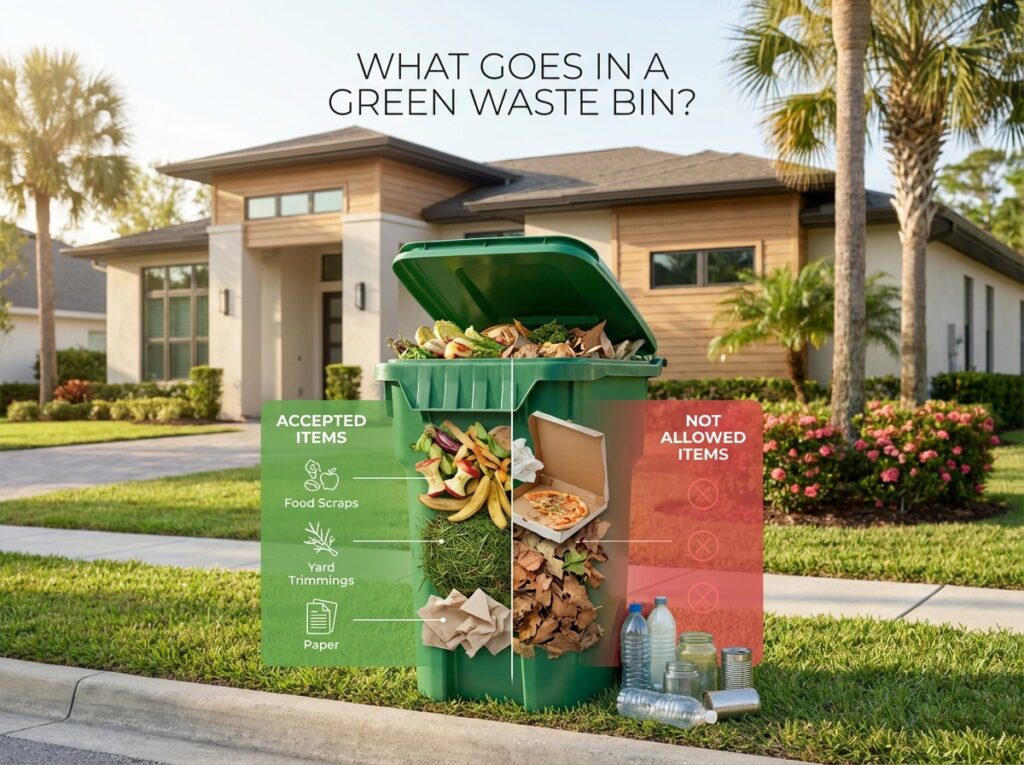
A green waste bin (often green-lidded) is a curbside container just for organic, compostable materials – not regular trash or recyclables. So what goes in the green waste bin? In general, any garden or kitchen waste that can decompose safely goes in. Think leaves, grass clippings, plant prunings and small branches, as well as food scraps like fruit and vegetable peels, coffee grounds and eggshells. (For example, yard trimmings and all food waste are explicitly accepted in green-organics programs.) Tossing these into the green bin instead of the trash means they get turned into compost rather than rotting in a landfill. That compost can enrich garden soil and even help reduce climate-harming methane emissions.
In short: the green bin is only for biodegradable waste. Make sure not to mix in plastics, metals or glass, which do not break down and spoil the compost. By keeping only organics in your green bin, you help produce clean, valuable compost and keep garbage out of landfills.
What Goes in the Green Waste Bin
Generally, accepted green-bin items include:
- Yard trimmings: Leaves, grass clippings, hedge and shrub prunings, flowers and weeds, and even small branches and cuttings. (Most programs ask that wood pieces be cut small – for example, Lafayette, LA limits branches to 6 feet long and 18 inches thick.)
- Food scraps: All fresh or cooked food waste such as fruit and vegetable scraps, coffee grounds, bread, grains, rice, eggshells and nut shells, and even meat or dairy if your local program accepts them. (For curbside organics, you usually dump food scraps loose or wrapped in paper, no need for plastic bags.)
- Food-soiled paper: Uncoated paper items that were used with food. Examples: pizza boxes, paper plates, napkins, paper towels and paper egg cartons (as long as they aren’t wax- or plastic-coated). Used coffee filters and teabags (without staples) also compost fine.
- Small wood and plant waste: Untreated wood chips, sawdust, twigs, hay and straw can go in the green bin (check limits if your city has them). Even whole potted plants (soil shaken off) or houseplants are acceptable as yard waste.
- Compostable packaging (if allowed): Some programs allow certified compostable food-service packaging. However, many curbside guides simply say no to any plastic or coated paper (see below), so when in doubt treat it as trash.
Each city’s program can vary, but the rule of thumb is: if it came from something once alive or is plain paper, it’s likely ok. Keeping these items separate for composting helps Louisiana’s gardens get recycled nutrients.
What Not to Put in the Green Waste Bin
To avoid contaminating the compost, be careful not to toss these in your green bin:
- Plastics and synthetic materials: This includes plastic bags (even “biodegradable” ones), plastic wrappers, films, containers or utensils. Also avoid wax-coated paper or shiny/laminated paper and cardboard.
- Glass and metal: Bottles, jars, cans, foil and similar recyclables do not belong in the green bin (put clean glass and metal in recycling instead).
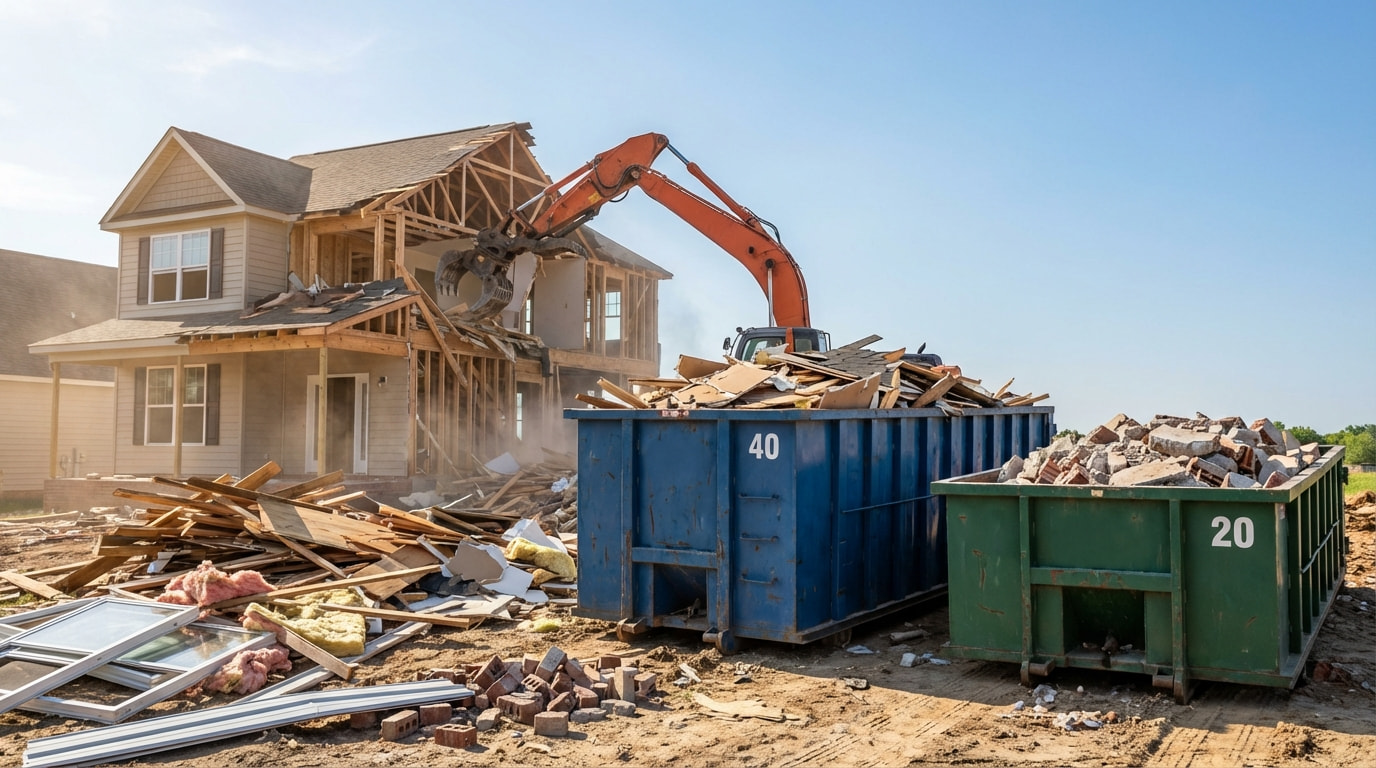
- Treated or painted wood: Painted lumber, plywood, treated logs or pressure-treated wood should go to construction/demolition waste, not compost.
- Pet waste: Dog and cat feces (and litter with waste) are not suitable for home composting (they can spread germs). Place pet waste in trash unless your local organics program explicitly allows it.
- Hazardous or bulky waste: Items like paint cans, batteries, chemicals, batteries, diapers and hygiene products belong in household hazardous or trash collection, not the compost bin. Hot ashes, BBQ charcoal and grease should never go in a green bin either.
- Yard materials not accepted: Large tree stumps, palm fronds and weed/tree roots (or invasive plants) should go to specific yard debris sites or trash, since they don’t break down well.
Benefits of Using the Green Bin
Composting your green waste has big environmental payoffs. According to the EPA, organic wastes (food scraps, yard clippings) make up a large share of what we throw away – roughly 25% of landfill garbage is food and plant waste. When that waste rots in a landfill, it generates methane, a potent greenhouse gas. But when we compost it instead, methane production is prevented. In other words, every banana peel or grass clipping you compost helps fight climate change.
Plus, composted green waste turns into a natural fertilizer. The microbes in a compost pile break down organic matter into nutrient-rich soil that can feed gardens and lawns. EPA highlights that composting “lowers greenhouse gases by improving carbon sequestration in the soil” and “converts organic waste into a nutrient-rich fertilizer”. In practical terms, that means your green-bin scraps can help gardens grow better plants and hold water in dry spells. For Louisiana’s soils, adding compost can reduce the need for chemical fertilizers while rebuilding healthy earth.
Conclusion:
Using the green waste bin is an easy way to do environmental good. It turns everyday waste into a resource, lowers pollution, and helps Louisiana stay green. Encourage family and neighbors to separate their organics too – together we’ll make our yards and communities healthier for years to come.